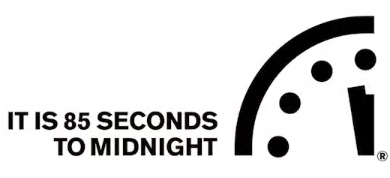
The Doomsday Clock 2026 (85 seconds to midnight)
The Bulletin of Atomic Scientists’ Doomsday Clock was set to 85 seconds to midnight on 27 January 2026. This was the 27th time the Clock

The Bulletin of Atomic Scientists’ Doomsday Clock was set to 85 seconds to midnight on 27 January 2026. This was the 27th time the Clock

Resource developed for the 2026 Scottish Parliament election, helping young people understand how Holyrood works, who their representatives are, and different parties’ positions on nuclear
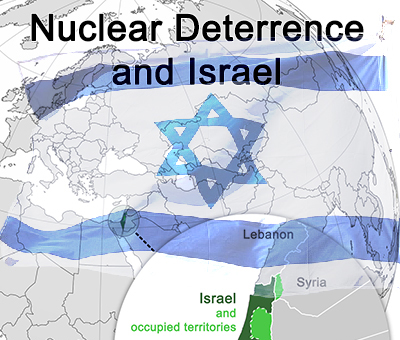
This module aims to explore the concept of nuclear deterrence and understand why Israel’s nuclear arsenal may or may not have prevented conflicts. It includes
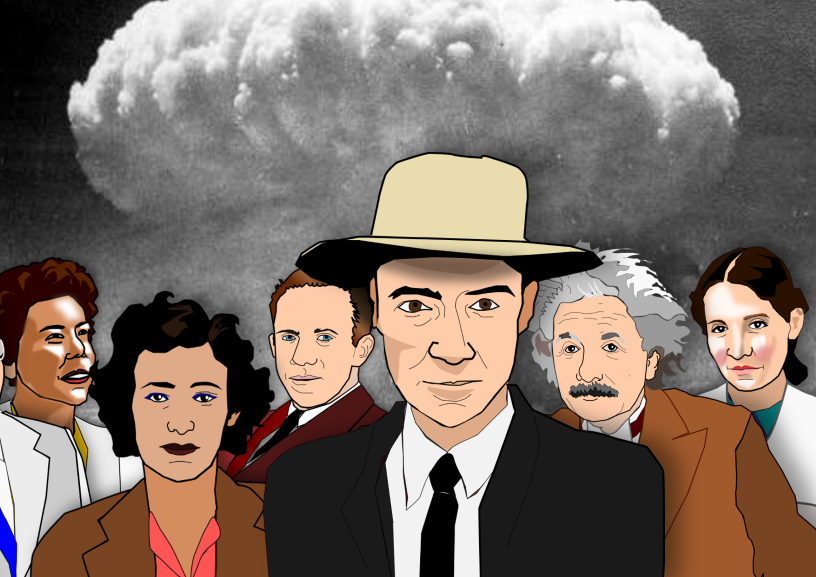
An external resource hosted by Quakers in Britain / Peace Education Network which covers scientists including Einstein, Heisenberg, Szilard and Bohr and may be of

A recorded webinar (Duration: 1hr 13mins) hosted jointly by Peace Education Scotland and Glasgow Women’s Library in August 2021, marking the 40th anniversary of the
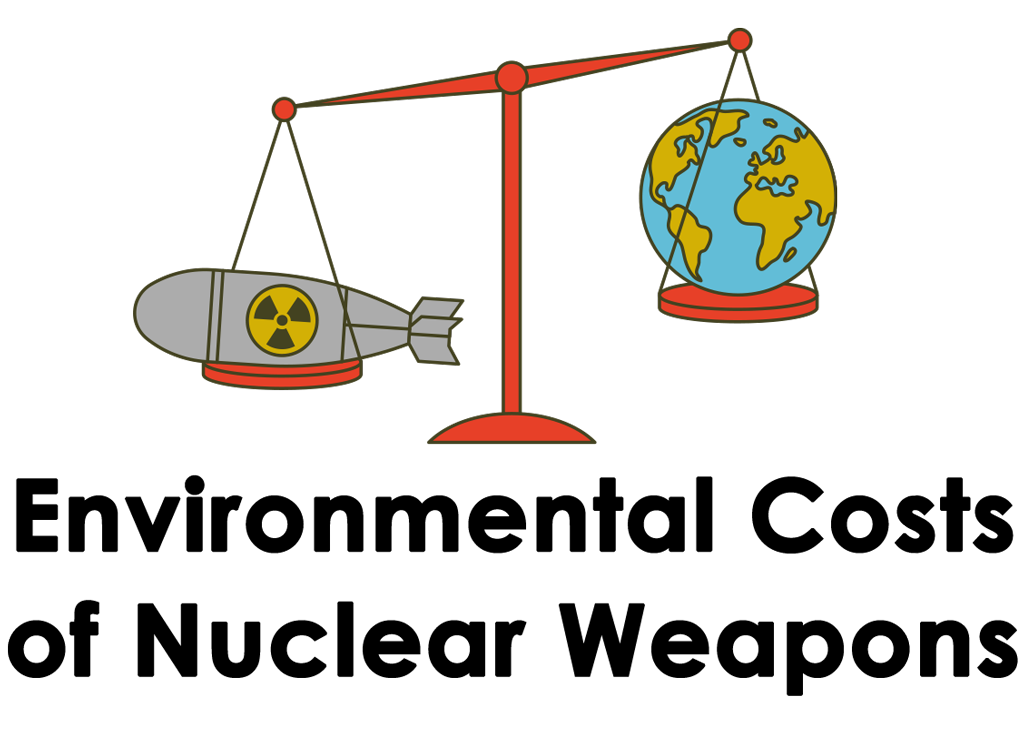
A standalone information booklet for background reading or independent research, covering climate and resource-related conflicts, adverse effects from nuclear tests and uranium mining, radioactive and

This information sheet examines nuclear weapons spending through the lens of public health spending – particularly during the COVID-19 pandemic. Covering eleven themes across moral,

A short worksheet covering UN structure, conflict-reduction methods, and the Treaty on the Prohibition of Nuclear Weapons (TPNW). Sections: (1) UN structure and purposes; (2)
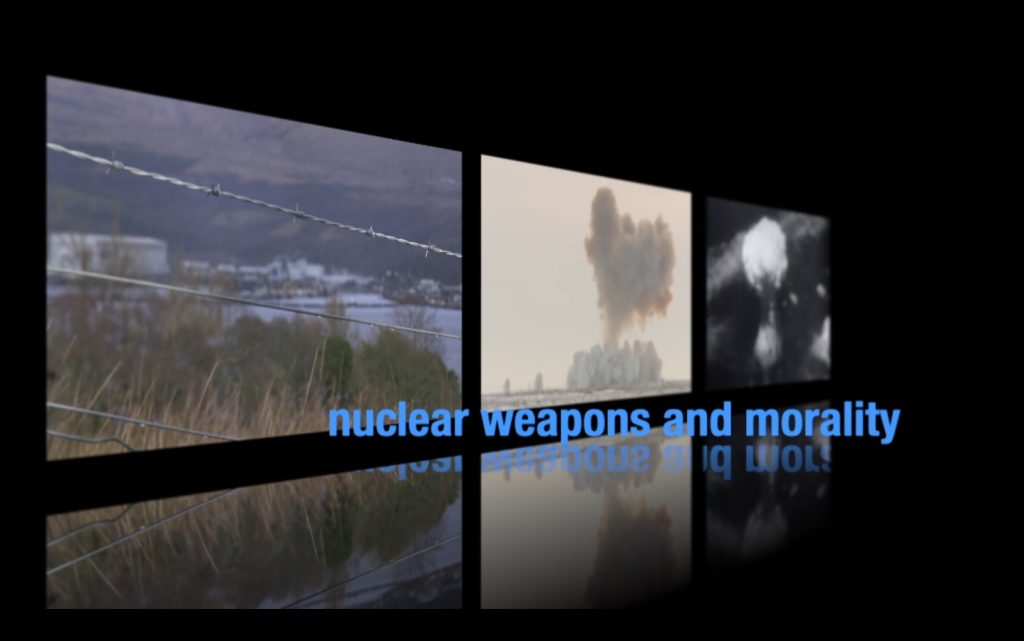
This comprehensive unit lets pupils investigate the moral arguments surrounding the possession and use of nuclear weapons, exploring the difference between moral and ethical viewpoints.
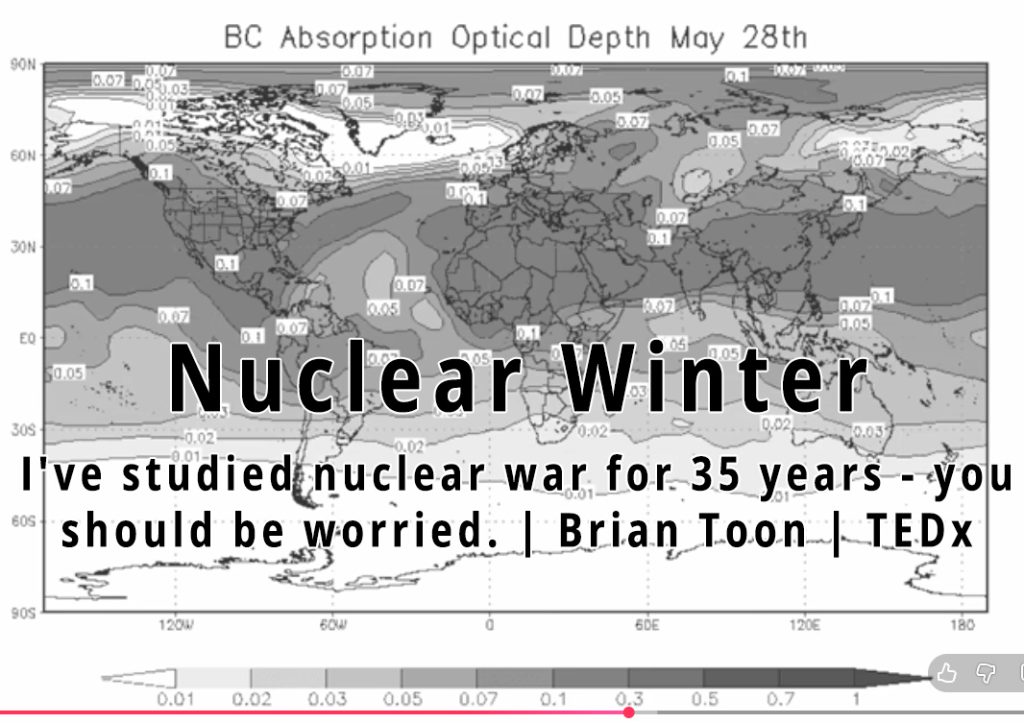
This module explores nuclear winter, the climate catastrophe following nuclear war, through a booklet referencing Professor Brian Toon’s climate research (see accompanying TEDx video –